
ATCS for Petrochemical & Refinery Cooling
Petrochemical plants rely on thousands of shell-and-tube heat exchangers. Fouling reduces throughput, raises energy use and forces unplanned turnaround cleaning.
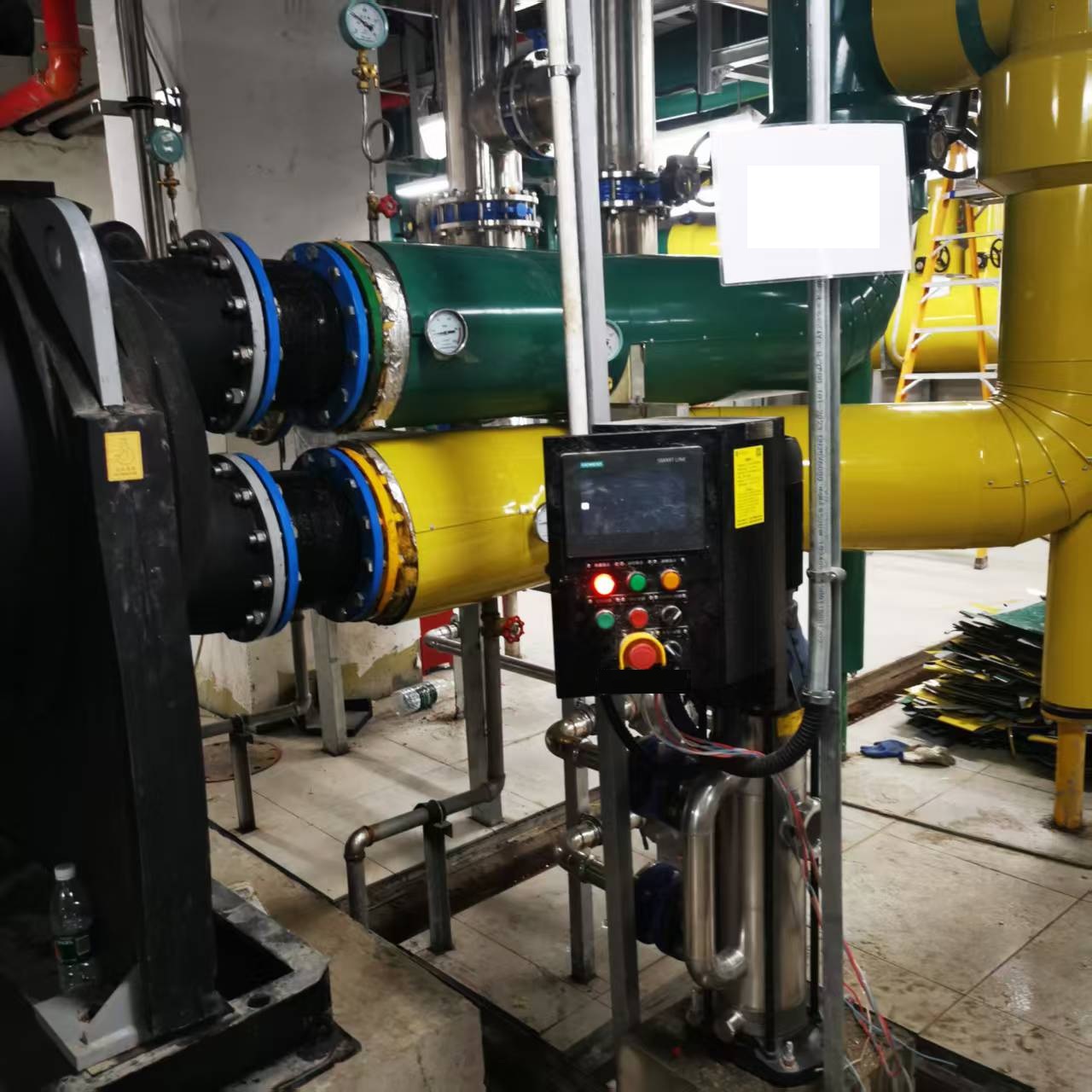
Key Benefits for Petrochemical
Stabilize Process Cooling
Clean condensers and intercoolers keep reaction temperatures stable.
Extend Run Length
Reduce fouling-related performance drift between turnarounds.
Improve Safety
Less chemical handling and fewer confined-space tube cleaning jobs.
Custom Materials
316L, duplex and exotic alloys for aggressive cooling water.
Typical System Configuration
Petrochemical ATCS units are engineered for high-pressure cooling water, hazardous area enclosures and integration with plant DCS. We supply full documentation packages including P&IDs, datasheets and commissioning plans.
| Item | Specification |
|---|---|
| Applicable tube ID | 12 – 30 mm (custom up to 45 mm) |
| Ball material | EPDM, oil and seawater resistant |
| Collector material | Carbon steel / 316L SS / Duplex SS |
| Control | Siemens PLC, Modbus/BACnet to BMS |
| Communication | Remote monitoring and alarm feedback |
Frequently Asked Questions
Cooling That Has to Survive Until the Next Turnaround
Petrochemical plants run continuously for years between scheduled turnarounds. That single fact dictates the cleaning strategy: whatever keeps heat exchangers clean has to work without intervention for the full run length, because there is no convenient mid-cycle window to open and mechanically clean a bundle.
The equipment affected is more varied than in HVAC service. Process heat exchangers, compressor intercoolers and aftercoolers, overhead condensers and utility cooling all appear in the same plant, often with different water chemistries and different process-side conditions. Some carry hydrocarbons or process contamination on one side, which changes both the fouling mechanism and the safety requirements around maintenance.
The consequence of fouling here is rarely just energy. A fouled intercooler raises compressor discharge temperature and reduces throughput; a fouled overhead condenser changes column pressure and can affect product specification. These are production constraints, which is why the case for continuous cleaning in petrochemical service is usually built on throughput and stability rather than on the power bill.
Continuous online cleaning holds heat-transfer performance steady across the run, so the plant reaches its turnaround with the exchangers still performing rather than having degraded steadily for three years. It also reduces the turnaround scope itself — bundles that arrive clean need less work.
Where Online Cleaning Fits in a Petrochemical Plant
| Service | Fouling driver | Consequence if left |
|---|---|---|
| Compressor intercoolers | Scale + process carryover | Higher discharge temperature, reduced throughput |
| Overhead condensers | Mixed scale and corrosion products | Column pressure drift, product spec risk |
| Utility cooling exchangers | Cooling tower water chemistry | Rising utility cost, capacity limitation |
| Process coolers | Stream dependent | Assessed individually |
Safety and materials review is part of the scope, not an afterthought. Hazardous-area classification, process-side compatibility and isolation philosophy are all established before equipment is specified.
Petrochemical Questions
Can the system be applied where there is hydrocarbon on the process side?
The cleaning equipment is installed on the cooling water side, not the process side, so it does not contact the hydrocarbon stream. What matters is that the exchanger is in good mechanical condition — a tube leak that puts process fluid into the cooling water is a separate problem that cleaning does not solve. Mechanical integrity is confirmed before installation.
Does it suit hazardous-area installation?
Yes, with appropriate specification. Control panels and instrumentation are selected to the area classification for the installation location, and we provide the documentation your safety review requires. This is discussed at proposal stage so certification needs are built into the scope rather than discovered later.
Will it reduce turnaround scope?
In most cases yes. Exchangers that have been held clean through the run require less bundle cleaning during the turnaround, which shortens the critical path. Plants often find the turnaround benefit as compelling as the energy benefit, particularly where exchanger cleaning is a schedule driver.
What operating data supports a proposal?
Exchanger duty and design versus current approach or outlet temperature, cooling water supply conditions, run length since last clean, and the throughput or energy consequence you are currently experiencing. Trend data over a full run is the most useful input — it shows degradation rate rather than a single snapshot.
Get a Petrochemical ATCS Quote
Tell us your chiller / condenser model, cooling capacity and water quality. We reply within 24 hours with a tailored solution and ROI estimate.
Prefer email? Write to michealzhang969@gmail.com
Explore more in our Automatic Condenser Tube Cleaning (ATCS) →