
HYATCS — Keep Your Chiller Clean, Automatically
A continuous, microcomputer-controlled ball-cleaning loop scrubs fouling from condenser tubes without shutdown — so your chiller holds peak efficiency and cuts energy use 10–30%.
20-year design life
10–30% energy saved
OEM / ODM available
LAUNCH
TRAP
Condenser Fouling Is Quietly Draining Your Budget
Every 1 °C rise in approach temperature costs roughly 4% more energy. HYATCS holds the baseline — automatically.
Without HYATCS
- Scale & biofilm build up on tube walls
- Higher approach temperature → more compressor work
- Manual descaling stops production
- Shorter chiller life, rising OPEX
With HYATCS
- Tubes cleaned in a continuous ball loop
- Peak heat-exchange efficiency maintained
- No shutdown, no manual brushing
- 10–30% lower energy, 20-year life
Stop fouling losses — every 1°C of scale costs ~4% more energy. Get a tailored HYATCS config & savings estimate in 24h.
How HYATCS Works — In Motion
Watch the cleaning balls travel the loop: launched into the condenser, scrubbing tubes, trapped, and returned — continuously, without stopping the chiller.
Prefer the step-by-step read? See the Technical Blog for the full walkthrough.
Built for New Builds and Retrofits Alike
Choose the layout that fits your chiller head, footprint, and project stage.
New build
Cover-Mounted
Launcher mounted on the condenser head for direct, tube-to-tube ball handling. Compact and fully integrated.
- Shortest ball path
- Ideal for new chillers
Retrofit
Pipeline Type
Launcher + inline trap, independent of the chiller head. The go-to choice for existing plants and old-project upgrades.
- No chiller modification
- Fast, low-risk install
Space-limited
Cover-Integrated
A compact, fully integrated design for plants where space is at a premium. Launcher and trap built into one unit.
- Minimal footprint
- Clean, unified look
LiBr (Absorption Chiller) Version
For lithium-bromide units with mismatched absorber/condenser tube sizes, HYATCS uses differential-pressure, unpowered ball handling — balls are matched and recovered by size to prevent jamming. Fully automatic, no shutdown, cooling never stops. Widely deployed across Southeast Asia (pharma, automotive, beverage, hospitality), saving 110–30%.
Stop fouling losses — every 1°C of scale costs ~4% more energy. Get a tailored HYATCS config & savings estimate in 24h.
Nano-Silicone Balls, Not Ordinary Rubber
Our standard cleaning media outperforms conventional rubber balls on temperature, precision, and tube compatibility.
| Specification | Standard Rubber Ball | HY Nano-Silicone Ball |
|---|---|---|
| Temperature range | 0 – 80 °C | 0 – 200 °C |
| Sizing precision | 1 – 2 mm | 0.1 mm (customizable density) |
| Internal-thread tubes | Poor | Mesh-surface, rotating pass |
| Service life | Shorter | ~3000 run-hours |
Companion Water-Treatment Units
Pair HYATCS with automated dosing and pressure control for a fully protected cooling loop.
Automatic Chemical Dosing Unit
Precise, automated injection of scale inhibitors, corrosion protectors, biocides, and pH agents for cooling, boiler, and wastewater — minimizing waste and protecting equipment.
- Precise dosing, less chemical waste
- Unattended, intelligent operation
- Modular, global-ready design
Constant-Pressure Water Make-Up Unit
Automatically stabilizes system pressure, prevents corrosion, and protects equipment with reliable, low-maintenance, compact design.
- Precise pressure control
- Oxygen barrier, corrosion prevention
- Compact, flexible adaptation
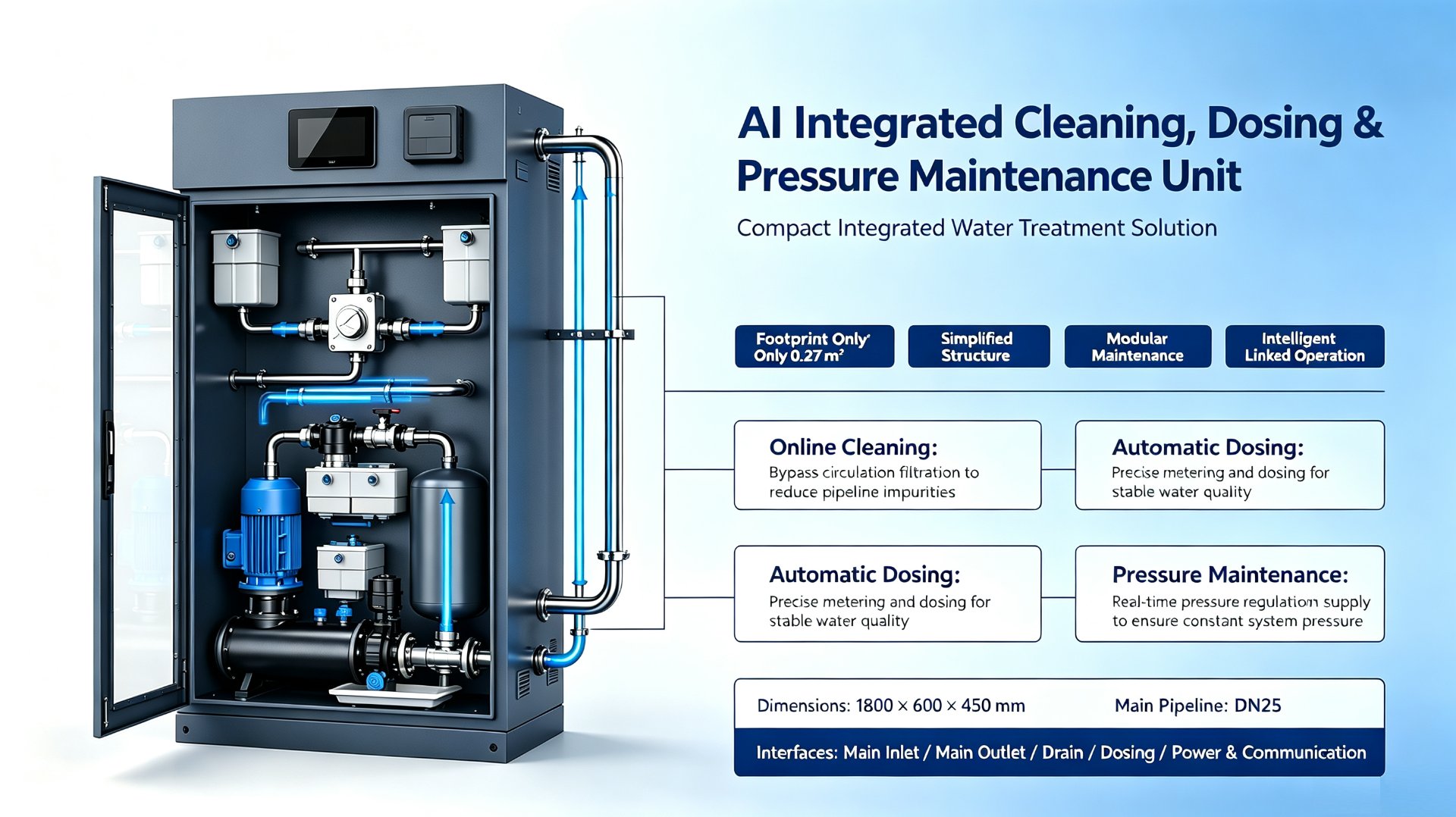
The Future of Water Treatment Is One Intelligent Ecosystem
Our next-generation platform unifies the online condenser cleaning system, constant-pressure make-up unit, and chemical dosing unit into a single, seamlessly coordinated system. Advanced AI and real-time analytics continuously monitor approach temperature, system pressure, water chemistry, and fouling — then autonomously adjust cleaning cycles, dosing rates, and pressure setpoints to hold peak performance without human intervention.
- Remote monitoring & cloud management from anywhere
- Real-time status, historical trends, predictive-maintenance alerts
- Lower energy, chemical, and labor costs; less unplanned downtime
Specified With Confidence
If you buy, specify, or approve capital equipment, HYATCS is built to pass scrutiny — on cost, compliance, and integration.
Procurement-Ready Documentation
Datasheets, drawings, and specification templates for tenders and EPC packages. OEM/ODM branding available for distributors.
TCO-focused20-yr lifeRetrofit-ready
ROI You Can Defend
10–30% energy reduction and 1–3 year payback are easy to model against your chiller’s operating hours and tariff. Lower OPEX, not just capex.
1–3 yr payback10–30% OPEX↓
Easy Integration
Pipeline-type configuration installs without modifying the chiller head — ideal for retrofit and existing-plant upgrades with minimal downtime.
PLC controlLow-risk install
Reliability & Support
20-year design life, remote monitoring option, and global spare-parts supply. We support commissioning from Shenzhen to your site.
Global supportSpare parts
Stop fouling losses — every 1°C of scale costs ~4% more energy. Get a tailored HYATCS config & savings estimate in 24h.
A Recurring-Revenue Add-On for Your Contracts
If you run a maintenance or FM service company, HYATCS turns a one-time sale into an ongoing relationship — with your customers, and with us.
Recurring Spare-Parts Business
Nano-silicone balls and components are consumable — every installed system becomes a steady re-order stream for your service team.
Recurring orders~3000 h life
A Value-Add That Wins Contracts
Bundle HYATCS into your chiller service agreement and show clients measurable energy savings — differentiation that wins and retains accounts.
Win more bidsStickier clients
Fewer Emergency Callouts
Continuous cleaning means fewer fouling-driven breakdowns and less manual descaling — lower your labor cost per contract, higher margin.
Lower laborHigher margin
Remote Monitoring, Less Truck-Roll
With the AI platform, you monitor client condensers from your office and dispatch only when needed — efficient, scalable service delivery.
PredictiveScalable
Trusted Across Global Industries
From five-star hotels to CCHP plants, HYATCS protects chillers wherever cooling matters.
Hotels & Resorts
Comfort cooling with lower utility bills — reference: Shenzhen Kapok Hotel.
Commercial HVAC
Offices, hospitals, malls — e.g. Taikang Community (Shanghai), Suzhou No.9 Hospital.
Industrial Process
Chemical, textile, metallurgy process cooling.
Power & CCHP
Combined cooling, heat & power; geothermal / solar cooling.
LiBr Absorption Plants
SE Asia pharma, automotive, beverage, hospitality — 110–30% savings.
District & Data Cooling
Central plants and heat-rejection for data centers.
Stop fouling losses — every 1°C of scale costs ~4% more energy. Get a tailored HYATCS config & savings estimate in 24h.
Reference Cases
“After retrofitting HYATCS to our central chiller plant, we recovered lost cooling capacity and saw a measurable drop in monthly energy draw — with zero production interruption.”
5-star · Central HVAC retrofit
Energy ↓
“Across our SE-Asian lithium-bromide sites, the unpowered ball-handling version cut cooling energy 110–30% and removed manual descaling entirely.”
Pharma · Automotive · Beverage
110–30% saved
Get a Tailored ATCS Configuration & Savings Estimate
Tell us your chiller model and cooling setup — our engineers return a recommended configuration and estimated energy saving within 24 hours. No obligation.
Ball Cleaning vs Brush Cleaning: Two Sibling Technologies
HYATCS cleans with a continuous sponge-ball loop. A different online technology — automatic tube brush cleaning — uses a captured brush in every tube, driven by periodic flow reversal.
| Dimension | Ball-type (HYATCS, this page) | Brush-type |
|---|---|---|
| Cleaning media | Free-moving sponge / nano-silicone balls | One captured brush per tube |
| Driving action | Continuous ball loop | Periodic flow reversal |
| Fouling removed | Fresh soft scale | Fresh and hardened scale |
| Debris tolerance | Lower — ball jams possible | High — brush cannot be lost |
| Best fit | Clean-ish water, continuous duty | Dirty / debris-laden water, hard scale |
If your tubes carry hardened legacy scale, or your water carries debris, a brush-type system is usually the better investment. If your water is clean and the unit runs continuously, ball cleaning on this page pays back faster. We will tell you which — honestly.
Proven Across 50+ Countries
“A Southeast-Asia 5-star hotel cut central-chiller electricity an estimated 8–12% after retrofit — payback under 2 years.”
5-star · HVAC retrofit
~10% saved
“A coastal petrochemical plant eliminated manual-descaling downtime and held design approach temperature through peak summer.”
Process cooling
Zero shutdown
Basic Selection Guide
Tell us your chiller model and we’ll size the exact configuration — here’s the starting point.
| Item | Guideline |
|---|---|
| Trap (TRAP series) | Sized by condenser diameter — DN100 to DN500 |
| Ball spec | 3/4″ tube → 16 mm ball · 1″ tube → 22 mm ball |
| Ball quantity | 30–50% of one-way tube count (typically 30%) |
| LiBr units | Differential-pressure, unpowered handling; matched by absorber/condenser size |
Not Sure Which Config? We’ll Size It Free
Send your chiller model, condenser diameter, and tube size — we return a recommended HYATCS configuration and expected savings, at no charge.
Frequently Asked Questions
How does HYATCS save energy?
Dynamic tube cleaning prevents fouling and holds the best heat-exchange efficiency, so the system does less work for the same cooling output.
Why don’t I see cleaning action?
Cleaning is intermittent — short cycles, then a long idle, then it repeats. That’s by design to minimize ball wear.
Does it auto-restart after a power loss?
No. For safety it requires a manual restart after power is restored.
How often should balls be replaced?
After ~3000 run-hours or one cooling season, or when worn to the gauge limit.
Why pre-clean an old system first?
Soft balls remove fresh scale but not hardened legacy fouling — pre-cleaning restores a clean baseline for best results.
Why is my approach temperature rising lately?
Balls may be worn, or cleaning frequency is set too low — both are quick to fix.
How do I avoid ball jams?
Keep debris larger than 1.5 mm out of the tubes; add a guard filter if needed.
What are the ball specs and quantity?
3/4″ tube → 16 mm ball; 1″ tube → 22 mm ball. Quantity: 30–50% of one-way tube count.
Specify the Right System for Your Chiller
Tell us your chiller model and cooling setup — we’ll recommend the configuration and estimate your savings, with global shipping and engineering support.
HyApexFlow · Shenzhen, China · Tel: +86 158 2748 3590 · www.hyapexflow.com
Related Reading
Deep dives for engineers, procurement, and plant managers evaluating online condenser cleaning.
Fundamentals
Compare & Justify
Applications & Engineering
- Cooling Tower Blowdown: Cut Water Use Without Fouling Risk
- Seawater Biofouling in Marine Condensers: Continuous Protection
- Plate vs Shell-and-Tube: Fouling, Cleaning & Which Fouls Faster
- Condenser Tube Material Selection: Titanium, Cu-Ni & Stainless
- ATCS Retrofit: Install Online Cleaning Without Long Downtime
Industry Solutions
Explore how continuous online cleaning applies to your sector.
Case Studies
Field-proven results including the PDG Data Center, Malaysia.
Petrochemical & Refinery
Protect throughput and energy efficiency in fouling-prone units.
Hotel & Commercial Buildings
Cut HVAC energy cost without disrupting occupant comfort.
Desalination & Coastal Power
Defend seawater condensers against aggressive biofouling.
Data Center & PUE
Keep chiller efficiency stable to protect PUE and uptime.
The Engineering Behind 10–30% Chiller Energy Savings
How continuous sponge-ball tube cleaning actually removes fouling — and why it pays back in months.
An Automatic Condenser Tube Cleaning System (ATCS) keeps every condenser tube interior clean without shutting the chiller down. At its core is a recirculating loop of elastomer sponge balls, each sized about 1 mm larger than the tube inner diameter. On a timed cycle — typically every 1–2 hours, or continuously on demanding duty — balls are injected from the collector into the condenser inlet water box, carried by the cooling-water flow through the tubes where they wipe the wall free of biofilm, scale and silt, then trapped at the outlet strainer and returned to the reservoir. Recovery exceeds 99%, so one ball set keeps working for 6–12 months.
Condenser fouling is the largest controllable efficiency loss in most chiller plants. As little as 0.1 mm of scale or biofilm raises condenser pressure and shrinks the log-mean temperature difference, forcing the compressor to work harder. Field data shows a 1 °C rise in condensing temperature increases compressor power by roughly 2–3%, and a moderately fouled condenser can lose 5–15% of its capacity before anyone notices. Left unmanaged, fouling also drives a higher approach temperature, more frequent compressor cycling, and faster tube corrosion.
Because ATCS removes fouling the moment it forms, the condenser runs near design cleanliness continuously. Across our installed base this delivers a 10–30% reduction in chiller-plant energy use versus a manually cleaned baseline, with the widest gains on plants that previously cleaned only once or twice a year. For a 1,000 RT plant running 6,000 hours per year at about 0.6 kW/RT, a 15% saving equals roughly 540,000 kWh a year — close to 320 tonnes of CO₂ at grid average, and a utility bill cut in the five-figure USD range.
The balls are not generic — diameter, density and sponge porosity are matched to the tube material (copper-nickel, titanium or stainless) and to the water chemistry. Being slightly oversized, each ball self-centres and deforms just enough to sweep the full circumference without scoring the tube, so months of continuous cleaning leave the wall finish unchanged. For brackish or seawater loops we specify anti-microbial, UV-stable compounds so the balls do not degrade between cycles.
A PLC drives the cycle from differential-pressure or timer logic, so cleaning intensity follows the actual fouling rate: a light-load winter may need one pass a day, while a biofilm-prone summer peak can run continuously. Cycle counts, ball loss and strainer status are logged and pushed to the plant BMS, giving the facilities team a fouling trend they can act on instead of a surprise overhaul.
Representative result — district-cooling plant, Southeast Asia: two 800 RT centrifugal chillers on a seawater-assisted tower, cleaned manually each spring. Before ATCS the condensers averaged a 2.1 °C approach rise over the season; after retrofit the approach held within 0.3 °C of design. Measured chiller kW/RT fell from 0.62 to 0.53, a 14% drop, and a 12-month tube inspection showed no measurable scale. The plant had been dosing anti-scalant and biocide through the season; after ATCS the dose could be trimmed, adding a secondary saving on treatment chemicals. Simple payback on the retrofit was 11 months.
Against manual brush or chemical cleaning, ATCS needs no plant shutdown, adds no corrosive chemicals to the loop, and removes the labor and confined-space risk of entering the water box. Unlike full-flow filtration, which only slows particulate buildup, ball cleaning physically scrubs the tube wall, so it also controls biofouling and soft scale that filters miss. It complements blowdown and side-stream filtration rather than replacing them. ATCS ships as a skid-mounted, factory-tested package that ties into the existing condenser water boxes with minimal piping and reports ball inventory and cycle counts to the plant BMS — the foundation of a chemicals-free fouling strategy where water treatment is not yet in place.
Sizing an ATCS is straightforward once the condenser is known. Ball quantity tracks tube count and bore — typically one ball per 8–12 tubes plus spares — and the collector and catcher are matched to water-box geometry so every tube sees flow. Strainer mesh is chosen fine enough to catch the balls yet coarse enough to pass debris, and the whole loop is pressure-rated to the condenser design so it adds no parasitic load on the cooling-water pump.
Operation is largely hands-off. A monthly glance at the BMS confirms ball inventory and cycle counts; the strainer is hosed down during the normal condenser inspection window, and a full ball change takes under an hour. Because cleaning is continuous, the seasonal “shock” descale and the overtime labor that came with manual methods drop off the maintenance calendar.
Unmanaged fouling usually surfaces as:
- Rising condenser approach temperature and compressor amps
- Longer run hours to deliver the same cooling load
- Earlier compressor overhaul and tube-bundle replacement
- Higher biocide dose needed to hold biological growth
Want the numbers for your plant? Send us your chiller model, cooling-water source and fouling history — we return a cleaned-vs-baseline energy estimate.
.cro-cta-strip{background:linear-gradient(135deg,#0b1f2a,#10303d);border:1px solid rgba(31,182,166,.4);border-radius:16px;padding:18px 22px;margin:28px 0;display:flex;align-items:center;justify-content:space-between;gap:16px;flex-wrap:wrap}
.cro-cta-strip p{color:#e8f1f2;margin:0;flex:1;min-width:240px;font-size:16px;line-height:1.5}
.cro-cta-strip .hy-btn{white-space:nowrap}
.cro-trust{display:flex;flex-wrap:wrap;gap:12px;margin:18px 0}
.cro-logo{background:#0b1f2a;color:#9fd9cf;border:1px solid rgba(31,182,166,.35);border-radius:999px;padding:8px 16px;font-size:14px}
.cro-free{margin-top:14px}
.cro-form-wrap{max-width:680px}
.cro-sticky{position:fixed;left:0;right:0;bottom:0;z-index:999;background:#0b1f2a;text-align:center;padding:10px 14px;box-shadow:0 -4px 18px rgba(0,0,0,.28);display:none}
.cro-sticky a{display:inline-block;background:#1fb6a6;color:#04161c;font-weight:700;padding:12px 24px;border-radius:10px;text-decoration:none}
@media(max-width:768px){.cro-sticky{display:block}.cro-cta-strip{flex-direction:column;align-items:flex-start}.cro-cta-strip .hy-btn{width:100%;text-align:center}}
Related technical guide: See our field guide on selecting ATCS cleaning media by condenser tube material (brass, copper-nickel, titanium, stainless) with a desensitized case-study template.
{
“@context”: “https://schema.org”,
“@type”: “Product”,
“@id”: “https://www.hyapexflow.com/automatic-condenser-tube-cleaning-system/#product”,
“name”: “Automatic Condenser Tube Cleaning System (ATCS)”,
“sku”: “HY-APEXFLOW-ATCS-001”,
“mpn”: “HY-APEXFLOW-ATCS-001”,
“image”: “https://www.hyapexflow.com/wp-content/uploads/2026/08/atcs-installation-overview.jpg”,
“description”: “Online sponge-ball cleaning for condensers and heat exchangers — cut energy use 10-30% with zero shutdown.”,
“brand”: {
“@type”: “Brand”,
“name”: “HyApexFlow”
},
“manufacturer”: {
“@id”: “https://www.hyapexflow.com/#organization”
},
“category”: “Industrial Water Treatment Equipment”,
“dateModified”: “2026-09-29T22:50:05+08:00”,
“offers”: {
“@type”: “AggregateOffer”,
“priceCurrency”: “USD”,
“lowPrice”: 5000,
“highPrice”: 12000,
“availability”: “https://schema.org/InStock”
}
}
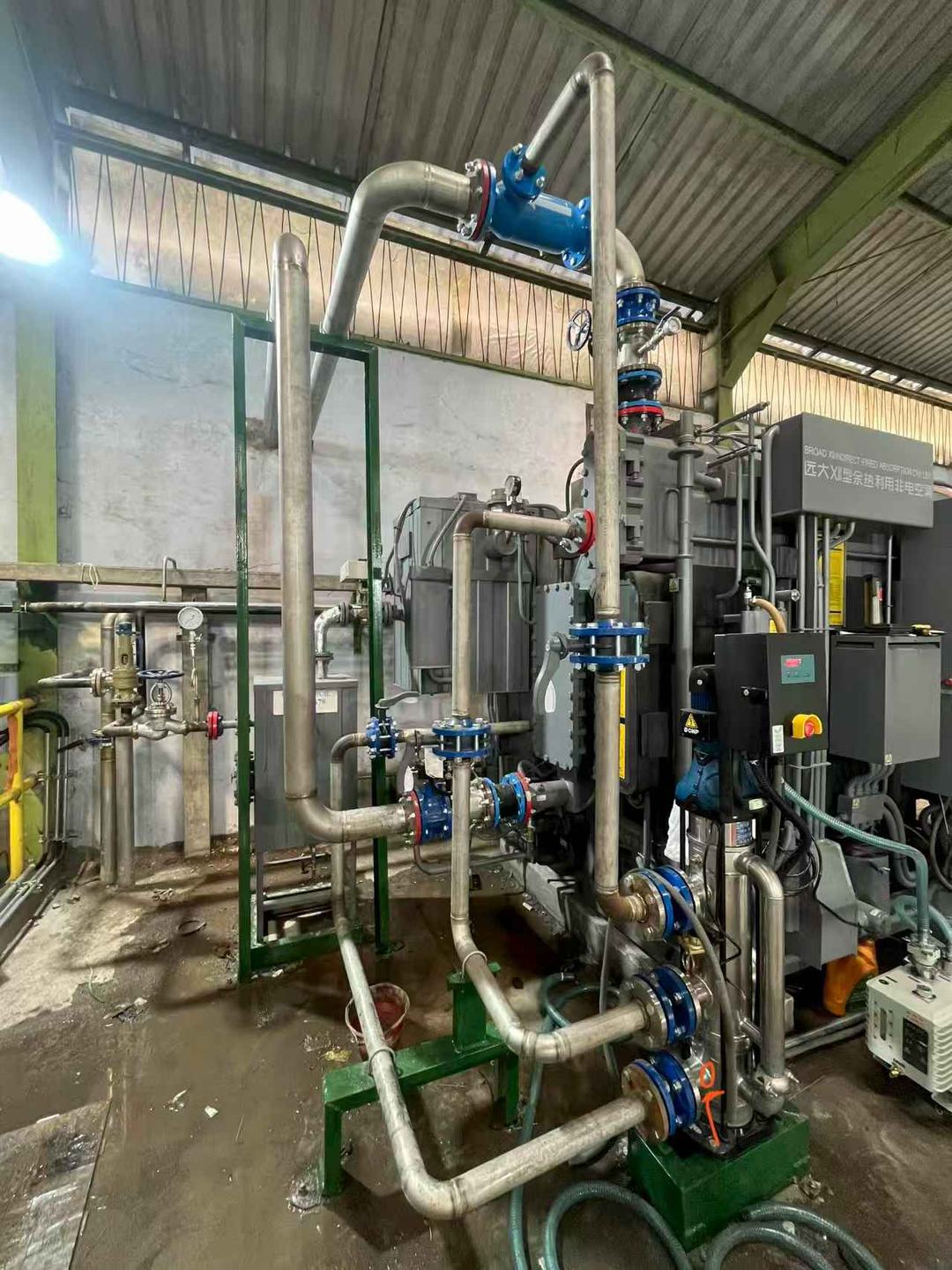
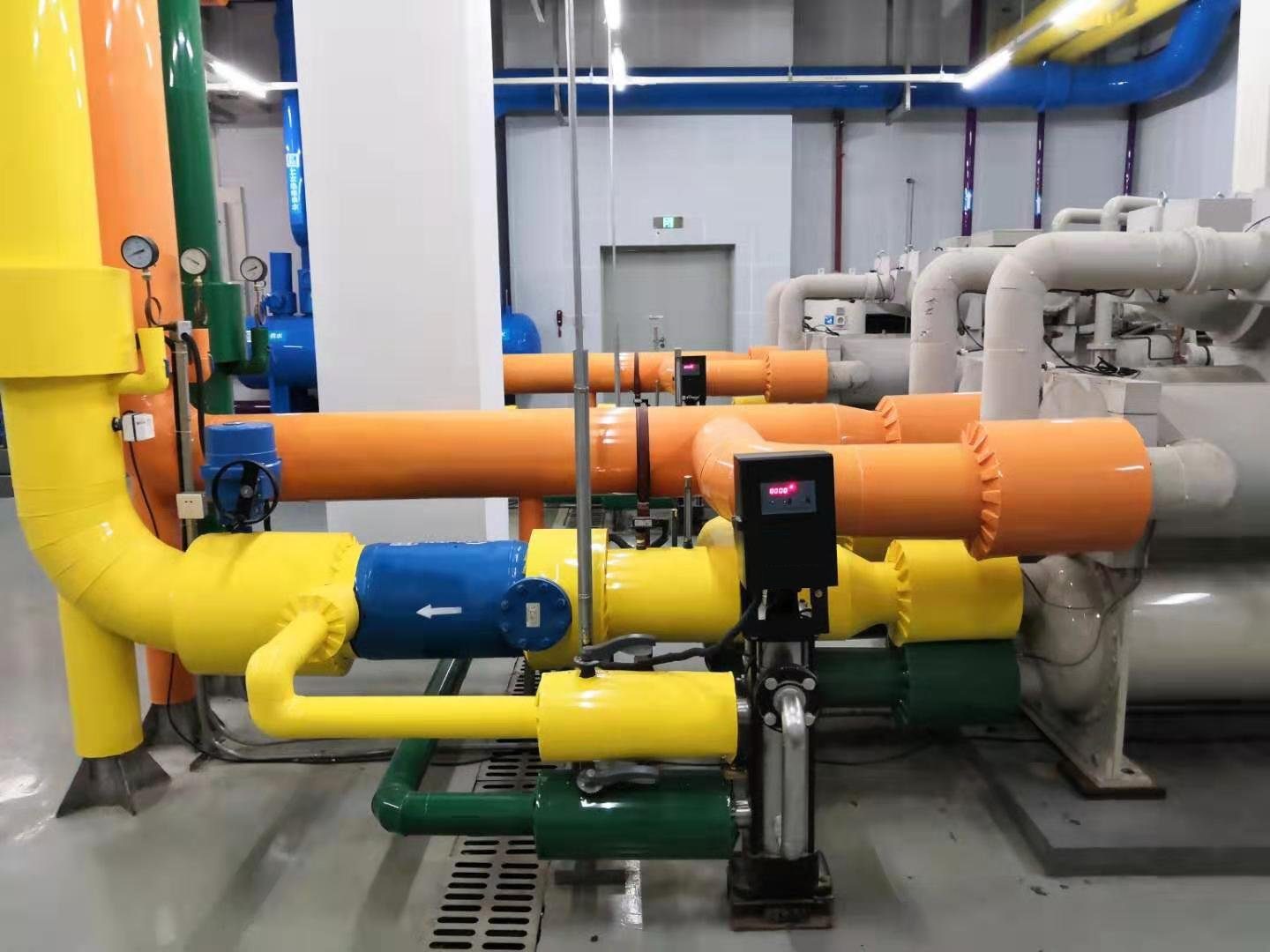
Related Verified Case Studies
See the HyApexFlow automatic condenser tube cleaning system (ATCS) proven in the field:
Frequently Asked Questions
What is an automatic condenser tube cleaning system (ATCS)?
An ATCS continuously cleans chiller condenser tubes using recirculating sponge/rubber cleaning balls, removing biofilm and scale before they insulate the tube wall. HyApexFlow ATCS covers DN100-500 and pairs with centrifugal and screw chillers.
How much energy can an ATCS save?
Condenser fouling raises the approach temperature; every 1 degC of added approach cuts chiller capacity by about 4%. ATCS typically returns 15-35% in avoided energy versus intermittent manual or brush cleaning, depending on duty cycle and water quality.
Which chiller sizes and tube diameters are supported?
HyApexFlow units are specified for condenser pipe diameters DN100-500 and suit most centrifugal and screw chillers in HVAC, power, petrochemical and district-cooling duty.
Do the cleaning balls need frequent replacement?
Balls are sized about 1 mm larger than the tube ID and last through hundreds of cleaning cycles. A ball collector and strainer keep them in circulation, with periodic top-up during scheduled maintenance.
Does ATCS work with seawater or brackish cooling?
Yes – marine and offshore variants use corrosion-resistant materials and are deployed on seawater-cooled condensers; see our seawater biofouling protection guide.
ATCS Application Guides
End-difference creep of about 1 degree C adds roughly 4% compressor work. These guides cover where that loss comes from and how online tube cleaning removes it.
- Condenser Tube Cleaning for Data Centers
- Hotel Chiller Energy Savings
- District Cooling Plant Tube Cleaning
- Power Plant Condenser Online Cleaning
- Hospital Chiller Energy and Fouling
- ATCS for Food and Beverage Plants
- ATCS for Chemical Plants
- ATCS for Petrochemical Plants
- ATCS for Shopping Malls
- ATCS for Commercial Office Buildings
- ATCS for Cold Storage Facilities
- ATCS for Electronics Facilities
- Automatic Tube Cleaning System Buyers Guide
- Automatic Tube Cleaning ROI Explained
Related Products and Cases
Regional and Climate Guides
These guides cover the duty conditions that drive fouling in each market: ambient range, make-up water source and how the growth window changes through the year.
- Condenser Tube Cleaning for Indonesia
- Condenser Tube Cleaning for Malaysia
- ATCS for Vietnam Manufacturing Plants
- ATCS for Thailand Cold Chain
- Legionella Control in Middle East Cooling Towers
- Condenser Tube Cleaning for Saudi Arabia
- ATCS for UAE District Cooling
- ATCS for Qatar Oil, Gas and District Cooling
Selection and ROI Guides
Sizing, return on investment and total lifecycle cost for condenser tube cleaning.
Related Guides and Case Studies
Explore ATCS sizing, ROI, regional deployments and field case studies.
What Is an Automatic Tube Cleaning System (ATCS)?
An Automatic Tube Cleaning System (ATCS) is a retrofit device that continuously cleans the inner surfaces of condenser and chiller tubes using sponge rubber balls or brush assemblies. It prevents fouling and maintains heat-exchange efficiency without requiring plant shutdown, making it a cornerstone of energy-efficient HVAC and cooling-water operation.
ATCS vs Alternatives: How They Compare
| Method | Continuous Operation | Downtime | Chemical Use | Typical Energy Saving |
|---|---|---|---|---|
| ATCS (ball/brush) | Yes | None | Low | 10–35% |
| Manual tube cleaning | No | High (shutdown) | Medium | One-off recovery |
| Chemical dosing only | Yes | None | High | 5–15% |
| Sidestream filtration | Yes | None | Low | 3–10% |
Frequently Asked Questions
- Does ATCS require stopping the chiller?
- No. ATCS operates online; sponge balls or brushes circulate with the cooling-water flow, so no production downtime is needed.
- What energy savings can I expect?
- Most plants see condenser fouling penalty recovery of 10–35% on chiller power, depending on water quality and load profile.
- Is ATCS suitable for seawater or brackish cooling?
- Yes. Corrosion-resistant ball/brush materials are available for seawater, brackish, and treated municipal supply.
{
“@context”: “https://schema.org”,
“@type”: “FAQPage”,
“mainEntity”: [
{
“@type”: “Question”,
“name”: “What is an automatic condenser tube cleaning system (ATCS)?”,
“acceptedAnswer”: {
“@type”: “Answer”,
“text”: “An ATCS continuously cleans chiller condenser tubes using recirculating sponge/rubber cleaning balls, removing biofilm and scale before they insulate the tube wall. HyApexFlow ATCS covers DN100-500 and pairs with centrifugal and screw chillers.”
}
},
{
“@type”: “Question”,
“name”: “How much energy can an ATCS save?”,
“acceptedAnswer”: {
“@type”: “Answer”,
“text”: “Condenser fouling raises the approach temperature; every 1 degC of added approach cuts chiller capacity by about 4%. ATCS typically returns 15-35% in avoided energy versus intermittent manual or brush cleaning, depending on duty cycle and water quality.”
}
},
{
“@type”: “Question”,
“name”: “Which chiller sizes and tube diameters are supported?”,
“acceptedAnswer”: {
“@type”: “Answer”,
“text”: “HyApexFlow units are specified for condenser pipe diameters DN100-500 and suit most centrifugal and screw chillers in HVAC, power, petrochemical and district-cooling duty.”
}
},
{
“@type”: “Question”,
“name”: “Do the cleaning balls need frequent replacement?”,
“acceptedAnswer”: {
“@type”: “Answer”,
“text”: “Balls are sized about 1 mm larger than the tube ID and last through hundreds of cleaning cycles. A ball collector and strainer keep them in circulation, with periodic top-up during scheduled maintenance.”
}
},
{
“@type”: “Question”,
“name”: “Does ATCS work with seawater or brackish cooling?”,
“acceptedAnswer”: {
“@type”: “Answer”,
“text”: “Yes – marine and offshore variants use corrosion-resistant materials and are deployed on seawater-cooled condensers; see our seawater biofouling protection guide.”
}
},
{
“@type”: “Question”,
“name”: “Does ATCS require stopping the chiller?”,
“acceptedAnswer”: {
“@type”: “Answer”,
“text”: “No. ATCS operates online; sponge balls or brushes circulate with the cooling-water flow, so no production downtime is needed.”
}
},
{
“@type”: “Question”,
“name”: “What energy savings can I expect?”,
“acceptedAnswer”: {
“@type”: “Answer”,
“text”: “Most plants see condenser fouling penalty recovery of 10–35% on chiller power, depending on water quality and load profile.”
}
},
{
“@type”: “Question”,
“name”: “Is ATCS suitable for seawater or brackish cooling?”,
“acceptedAnswer”: {
“@type”: “Answer”,
“text”: “Yes. Corrosion-resistant ball/brush materials are available for seawater, brackish, and treated municipal supply.”
}
},
{
“@type”: “Question”,
“name”: “What does ATCS stand for in HVAC?”,
“acceptedAnswer”: {
“@type”: “Answer”,
“text”: “ATCS stands for Automatic Tube Cleaning System. In HVAC and chiller applications it is an automated, on-load system that continuously cleans condenser tubes to prevent fouling and maintain heat-transfer efficiency.”
}
},
{
“@type”: “Question”,
“name”: “What causes condenser tube fouling and how is it removed online?”,
“acceptedAnswer”: {
“@type”: “Answer”,
“text”: “Fouling is caused by scale, biofilm, mud and suspended solids depositing on the tube wall, which insulates heat transfer and raises chiller power use. An online tube cleaning system (ATCS) removes these deposits continuously without shutting down the chiller, using sponge balls or brushes that circulate with the cooling water.”
}
}
]
}
Online Tube Cleaning for Condensers: How ATCS Removes Fouling
Condenser tube fouling—caused by scale, biofilm, mud and suspended solids—insulates the heat-transfer surface and quietly raises chiller energy use by 10–35%. An online tube cleaning system (ATCS) removes these deposits continuously while the chiller runs, using sponge balls or rotating brush assemblies that circulate with the cooling-water flow. This on-load cleaning method needs no shutdown, unlike off-line or manual tube cleaning. As a manufacturer and supplier of automatic tube cleaning systems for chillers and condensers, HyApexFlow provides an automatic condenser tube cleaning system trusted on HVAC, data-center and industrial cooling plants worldwide.
ATCS Knowledge Library: Guides, ROI & Industry Applications
Explore our in-depth guides on automatic tube cleaning systems, condenser fouling, chiller energy savings and industry applications:
Related: Automatic Online Condenser Tube Cleaning System.
Related: Products.
Related: How It Works.
Related: Data Center Cooling Solutions.
Related: Condenser Tube Cleaning Balls Guide.
Related: Data Center Cooling Solutions — see how ATCS, CDU, chemical dosing and constant-pressure makeup work together.
Frequently Asked Questions
What does ATCS stand for in HVAC?
ATCS stands for Automatic Tube Cleaning System — also called an automatic condenser tube cleaning system. It continuously cleans chiller and condenser tubes online, without shutting the plant down, using recirculating sponge balls.
How does an automatic condenser tube cleaning system work?
Sponge-rubber balls slightly larger than the tube inner diameter are injected into the condenser water flow. They traverse each tube, scrub the inner wall, are trapped by a strainer at the outlet, and recirculate on a timed cycle — keeping every tube fouling-free 24/7.
What causes condenser tube fouling?
Biofouling (micro-organisms), mineral scaling from hard water, corrosion products, and suspended solids accumulate on tube walls. This raises the condenser approach temperature and forces compressors to consume more energy.
How much energy can an ATCS save?
Typically 10–30% on chiller-plant energy, depending on cooling-water quality and fouling rate. Most sites recover the investment in under two years through lower kWh and deferred tube replacement.
ATCS vs manual or chemical cleaning?
Manual brushing and chemical cleaning require shutdowns, labour, and often harsh biocides. An ATCS runs continuously, online, and largely chemical-free, protecting tubes from permanent scaling rather than removing it after the fact.
Specify ATCS as part of a complete data-center or plant cooling package →
{“@context”: “https://schema.org”, “@type”: “FAQPage”, “mainEntity”: [{“@type”: “Question”, “name”: “What does ATCS stand for in HVAC?”, “acceptedAnswer”: {“@type”: “Answer”, “text”: “ATCS stands for Automatic Tube Cleaning System — also called an automatic condenser tube cleaning system. It continuously cleans chiller and condenser tubes online, without shutting the plant down, using recirculating sponge balls.”}}, {“@type”: “Question”, “name”: “How does an automatic condenser tube cleaning system work?”, “acceptedAnswer”: {“@type”: “Answer”, “text”: “Sponge-rubber balls slightly larger than the tube inner diameter are injected into the condenser water flow. They traverse each tube, scrub the inner wall, are trapped by a strainer at the outlet, and recirculate on a timed cycle — keeping every tube fouling-free 24/7.”}}, {“@type”: “Question”, “name”: “What causes condenser tube fouling?”, “acceptedAnswer”: {“@type”: “Answer”, “text”: “Biofouling (micro-organisms), mineral scaling from hard water, corrosion products, and suspended solids accumulate on tube walls. This raises the condenser approach temperature and forces compressors to consume more energy.”}}, {“@type”: “Question”, “name”: “How much energy can an ATCS save?”, “acceptedAnswer”: {“@type”: “Answer”, “text”: “Typically 10–30% on chiller-plant energy, depending on cooling-water quality and fouling rate. Most sites recover the investment in under two years through lower kWh and deferred tube replacement.”}}, {“@type”: “Question”, “name”: “ATCS vs manual or chemical cleaning?”, “acceptedAnswer”: {“@type”: “Answer”, “text”: “Manual brushing and chemical cleaning require shutdowns, labour, and often harsh biocides. An ATCS runs continuously, online, and largely chemical-free, protecting tubes from permanent scaling rather than removing it after the fact.”}}]}
ATCS Selection Guide — Key Parameters
| Parameter | Typical Range / Option |
|---|---|
| Energy savings | 10–30% on chiller-plant energy (fouling-dependent) |
| Payback | Typically under 2 years |
| Cleaning medium | Sponge rubber balls, sized to the tube inner diameter |
| Operation | Fully online — no shutdown required |
| Chemical use | None or minimal (vs. chemical cleaning) |
| Control | PLC timed recirculation cycle; remote monitoring optional |
| Compatibility | Fit-to-tube design for major OEM chillers & condensers |
ATCS vs Manual Brushing vs Chemical Cleaning
| Criterion | ATCS | Manual brushing | Chemical cleaning |
|---|---|---|---|
| Shutdown | None (online 24/7) | Required | Required |
| Labour | Minimal (automated) | High | Moderate–high |
| Chemicals | None / minimal | None | Biocides & acids |
| Scale prevention | Continuous protection | After the fact | Partial |
| Tube life | Extended | No protection | Corrosion risk |
Where ATCS Delivers Results
- Data centers — stabilize PUE and protect uptime; see the data-center case study
- Desalination & seawater cooling — fouling control in aggressive water
- Cement & heavy industry — high-dust, high-load duty
- Hotels & commercial buildings — see the Hilton Hainan case study
- Airports & transport hubs — large chilled-water plants
Related: Ball-Type vs Brush-Type ATCS for Seawater Cooling — which cleaning technology fits your water quality and fouling profile.
Related: BMS & DCIM Integration for ATCS (BACnet / Modbus) — monitoring point list, protocols and platform compatibility.
Related Solutions
- ATCS Energy Savings & ROI Calculator
- Materials & Engineering (SS316L / Titanium / Cu-Ni)
- Mission-Critical Reliability (N+1 Redundancy)
- ATCS for Southeast Asia Data Centers
- ATCS Resources & Downloads
- Quality & Compliance
- Why HyApexFlow
- Chinese vs European ATCS