
Industrial Water-Treatment Products
From sponge-ball and brush-type online condenser cleaning to chemical dosing, pressurised make-up and AI-integrated water treatment — HyApexFlow designs complete solutions for cooling systems.
Product Lineup
Modular, PLC-controlled skids engineered for your cooling system, water chemistry and space.
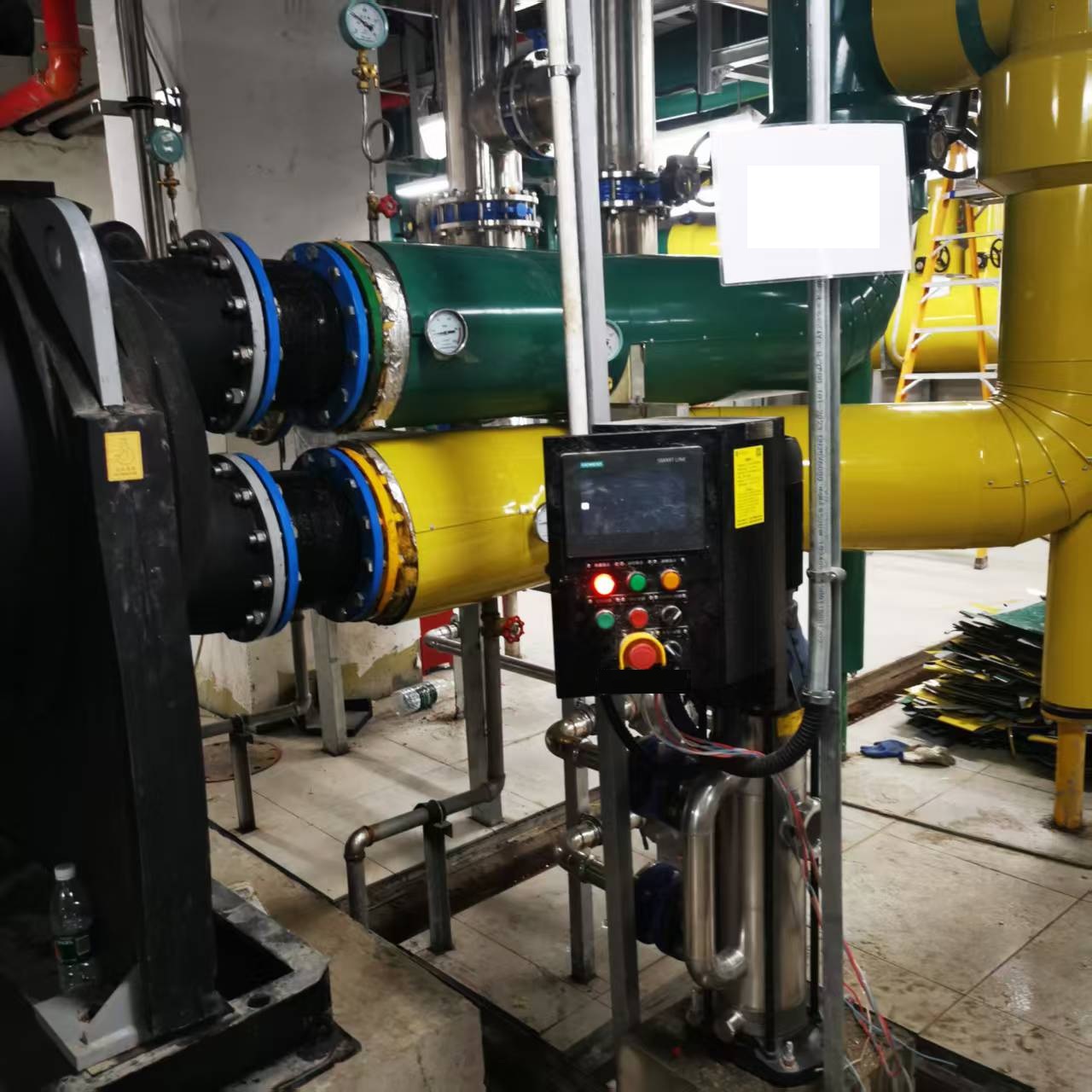
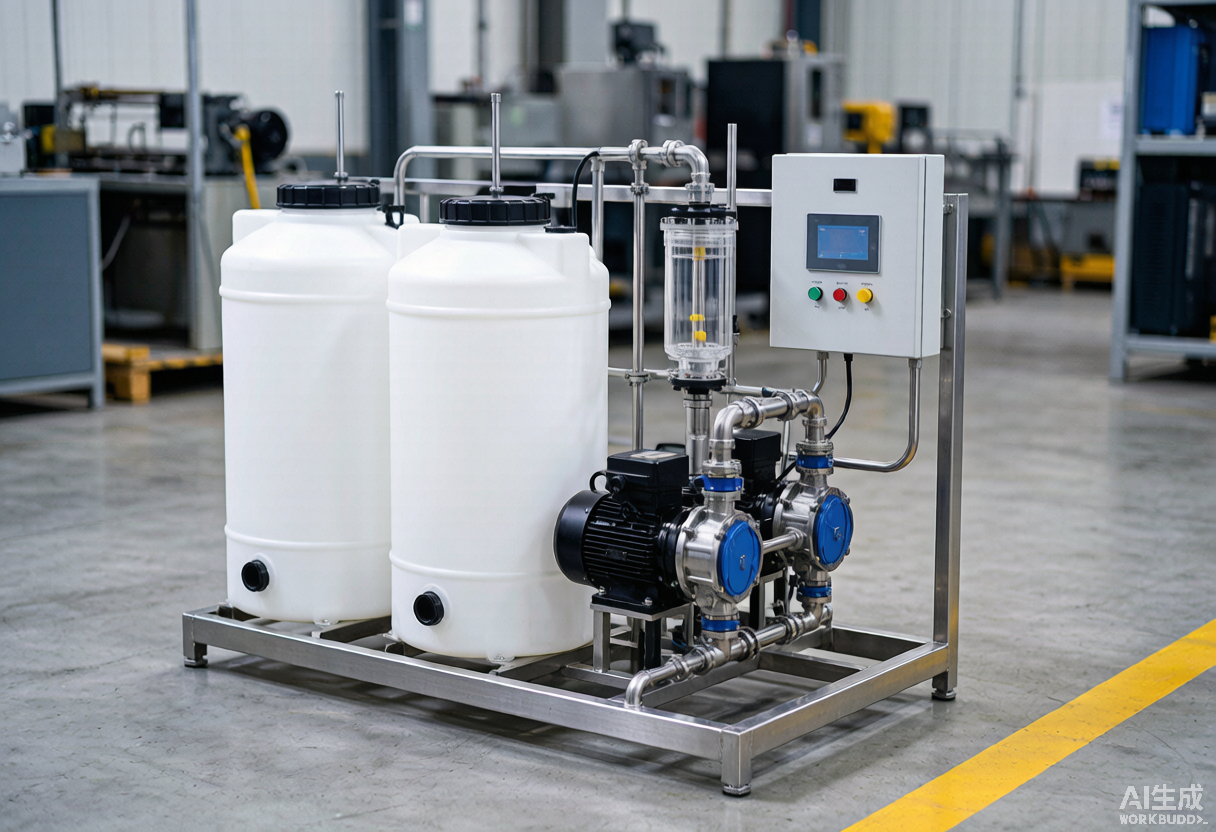
Chemical Dosing System
Automated chemical dosing skid for corrosion, scale and biocide control in cooling water circuits.
Explore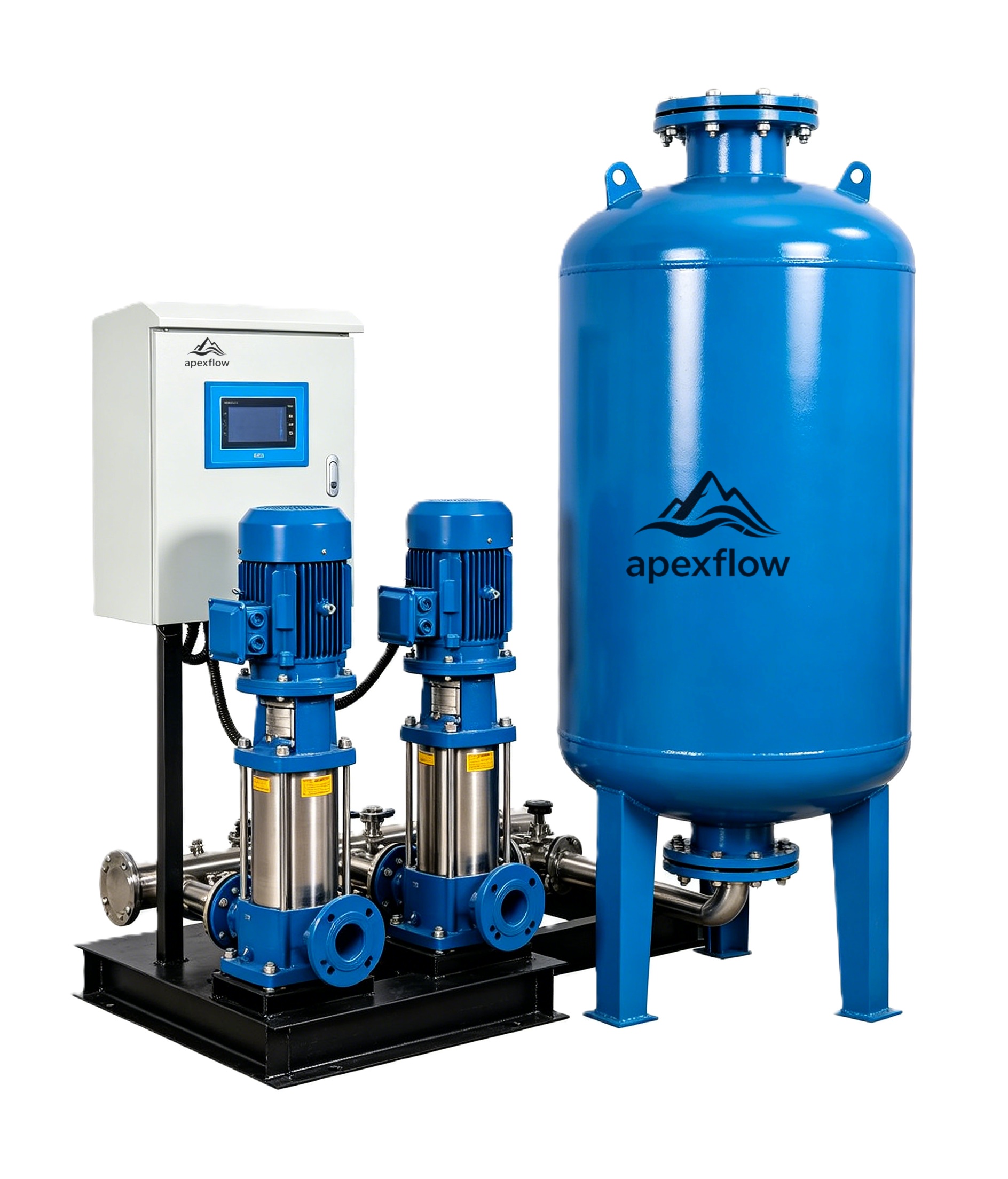
Water Make-up System
Pressurised make-up and expansion control skid that keeps closed-loop HVAC systems stable.
Explore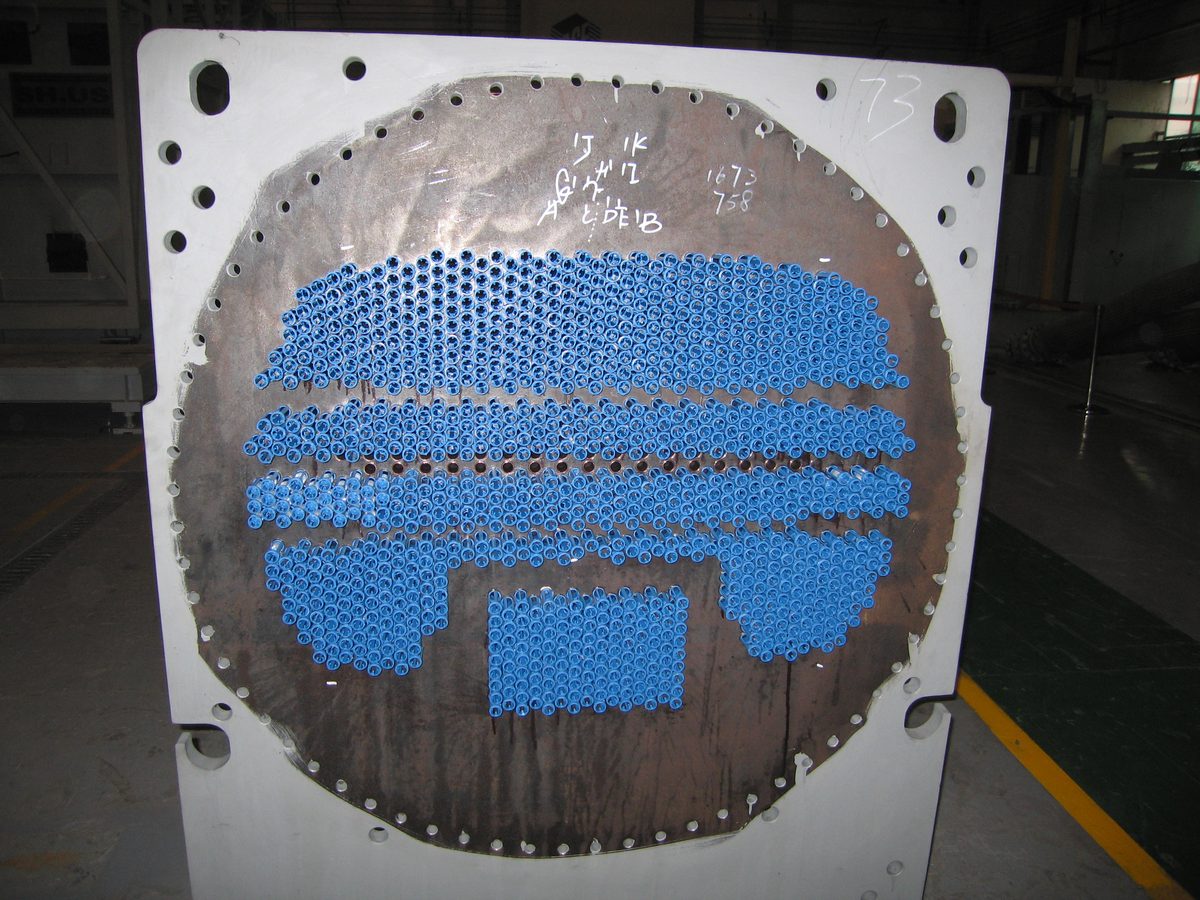
Tube Brush Cleaning System
Brush-type online tube cleaner — a captured brush in every tube, scrubbed by automatic flow reversal every 4-6 h. Removes hardened fouling that sponge balls slide over; cuts energy use 15-35%.
Explore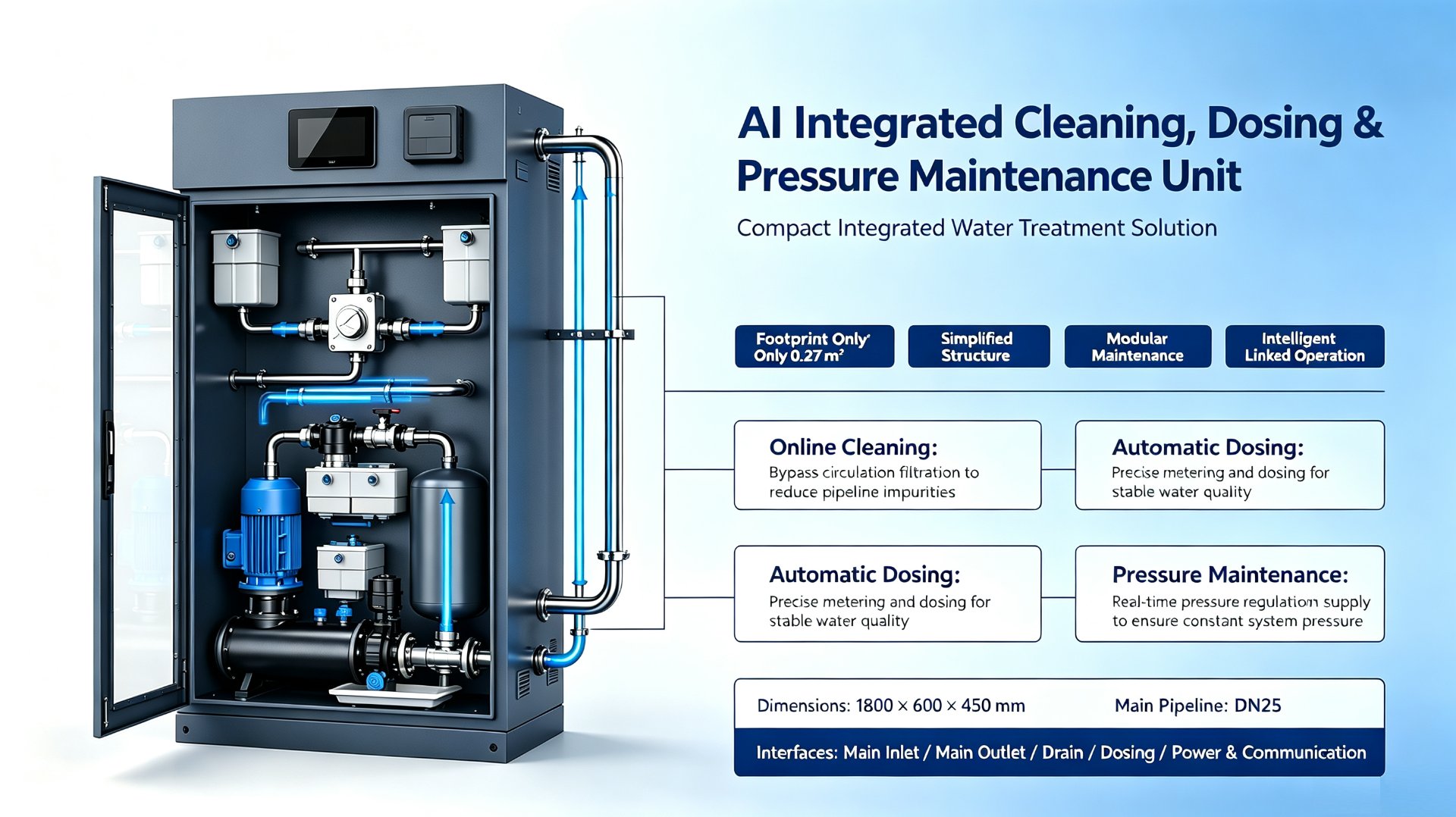 Roadmap / Concept
AI Integrated System
Cloud-connected, AI-assisted water treatment platform that optimises chemical use, pressure and fouling control in one dashboard.
Explore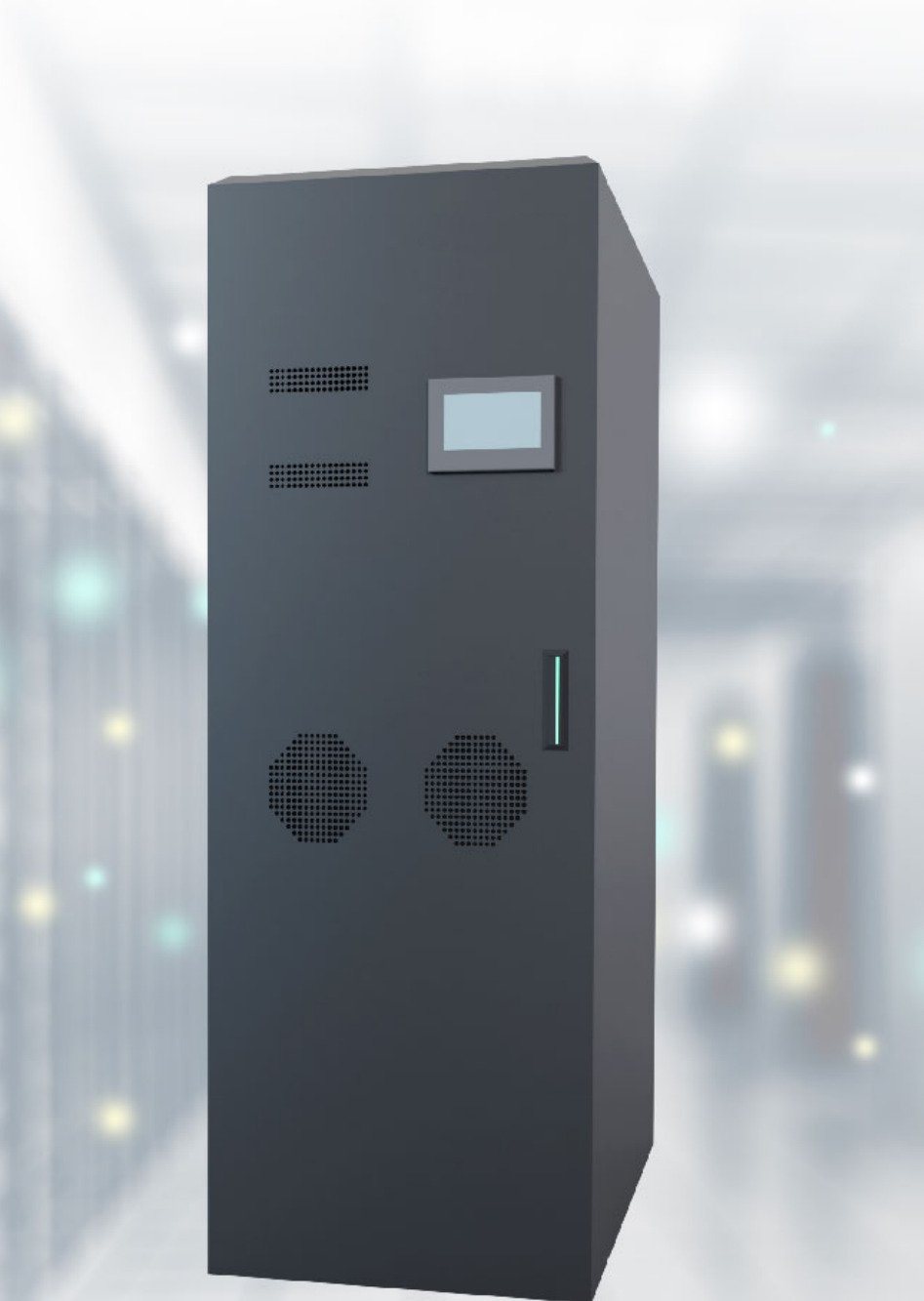
One Partner for Cooling-Water Efficiency
Design & Build
Skids engineered to your cooling capacity, water chemistry and space constraints.
Siemens PLC Control
Common control architecture across ATCS, brush, dosing and make-up products.
Southeast Asia & Middle East
Factory-direct supply with regional commissioning support.
Future-Ready
Modular skids and a cloud-ready platform that grows with your plant.
What Each Product Line Actually Does
Six product lines, one control philosophy. Each solves a different failure mechanism in a cooling system — most plants need more than one.
1. Automatic Condenser Tube Cleaning Systems (ATCS)
ATCS circulates slightly oversized sponge rubber balls through condenser tubes while the chiller keeps running. Each pass wipes the tube wall before deposits can mature, so heat-transfer resistance stays close to the clean-tube baseline — without a shutdown, without chemical descaling, and without the efficiency sawtooth that follows every manual clean.
The practical effect is that fouling stops being an event you schedule around and becomes a condition you hold steady. Plants that adopt continuous cleaning typically recover a measurable share of the compressor energy that a fouled condenser was quietly consuming, and they stop losing capacity during peak season when they can least afford it.
2. Automatic Tube Brush Cleaning Systems
The brush-type sibling of ATCS puts a captured brush in every tube. A PLC-driven four-way valve reverses the cooling-water flow every 4–6 hours, driving each brush end-to-end through its tube; the bristles scrub mechanically on every pass, then the brush parks in its end basket until the next cycle. Because the action is scrubbing rather than soft wiping, it removes fresh and hardened deposits that sponge balls slide over.
That makes it the stronger choice for condensers that already carry established scale or debris — with zero shutdown, low added hydraulic resistance (up to 15 kPa) and typical chiller energy savings of 15–35%. The line covers DN100–DN500 connections. Ball-type ATCS remains the first choice for clean-water circuits; brush systems take over where deposits have hardened. Explore the tube brush system →
3. Chemical Dosing Systems
Skid-mounted dosing units inject scale inhibitors, biocides and dispersants into the cooling water at controlled rates, holding water chemistry inside a target window. Dosing slows the formation of new scale and keeps biological growth in check — it does not remove deposits that already exist.
This is why dosing and mechanical cleaning are complements, not substitutes: chemistry manages what is dissolved in the water, mechanical cleaning manages what has already attached to the tube wall. HyApexFlow dosing skids use the same Siemens PLC architecture as the ATCS line, so both can be supervised from one panel instead of two.
4. Constant-Pressure Water Make-Up Units
Closed loops — chilled water, heating water, process circuits — lose pressure through thermal contraction, venting and minor losses. A constant-pressure make-up unit senses the drop and automatically restores setpoint, keeping the loop filled and pressurised.
Stable pressure is not a housekeeping detail. Low pressure lets air in and lets pumps cavitate; the corrosion and noise that follow are far more expensive than the unit itself. These skids are typically paired with a make-up water treatment stage so that what enters the loop is as controlled as what circulates in it.
5. AI-Integrated Water Treatment
This layer reads conductivity, pH, ORP, flow and condenser approach temperature, then adjusts dosing rates and blowdown setpoints automatically to hold chemistry inside target windows. The point is not automation for its own sake — it is removing the two-to-three-week gap between a chemistry drift starting and someone noticing it.
Because it trends approach temperature continuously, the system also acts as an early fouling alarm. Instead of discovering a capacity problem in August, the plant sees the trend widen in May and can respond while the fix is still cheap.
6. Coolant Distribution Units (CDU) for Data Center Liquid Cooling
For AI and high-density compute halls, our CDU is the heart of a liquid cooling loop: a liquid-to-liquid plate heat exchanger package that circulates coolant through cold plates or immersion tanks and rejects heat to the facility water circuit — with the two loops hydraulically isolated. Five standard models cover 60–360 kW, matched to rack densities of 10–80 kW, running compressor-free for a data center PUE of 1.15 or better.
A CDU is only as efficient as the loops around it. Its heat ends up in a cooling tower or dry cooler circuit — exactly where our tube cleaning, dosing and make-up products keep tubes at design efficiency, closing the cooling chain as one system.
Choosing the Right Configuration
Most plants start where the loss is largest. Use this table to see which mechanism is costing you money.
| If your problem is… | Likely cause | Product line | Shutdown needed? |
|---|---|---|---|
| Rising kW/ton, widening approach temperature | Tube fouling (scale / biofilm / solids) | ATCS | No — cleans online |
| Hardened scale and debris that soft balls slide over | Established deposits in older condensers | Tube brush cleaning | No — cleans online |
| Scale forming faster than you can clean it | Water chemistry out of target window | Chemical dosing | No |
| Pump cavitation, air ingress, pressure swings | Make-up cannot keep up with loop losses | Constant-pressure make-up | No |
| Nobody notices a drift until it is a problem | No continuous monitoring of chemistry or approach | AI-integrated treatment | No |
| AI racks too dense for air cooling | 10–80 kW per rack needs liquid cooling | CDU (liquid cooling) | No — continuous duty |
Not sure which applies? Send us 12 months of condenser water temperatures and condensing temperature from your BMS — we will calculate your approach temperature trend and tell you where the loss is before quoting anything.
Product Questions, Answered
Do I still need ATCS if I already run a chemical treatment programme?
Usually yes, because they address different mechanisms. Chemicals slow the formation of new scale and control biology; they do not remove deposits already bonded to the tube wall. Mechanical cleaning removes what chemistry cannot. Plants running both typically hold a tighter approach temperature than plants running either alone.
Can ATCS be retrofitted to an existing chiller or condenser?
Yes — the majority of installations are retrofits. The requirement is access to the condenser water inlet and outlet piping for the ball injection and collection equipment, plus space for the collector and control panel. Retrofits are normally completed during a scheduled maintenance window rather than requiring a dedicated outage.
What energy saving should I expect?
It depends on how fouled your condenser is today, not on a generic percentage. A plant already running near clean-tube approach has little to recover; one with a several-degree lift has a lot. This is why we size every proposal from your measured approach temperature rather than quoting a flat saving — a number we cannot defend is a number we will not put in writing.
What information do you need to prepare a proposal?
Four things: chiller or condenser make and model, cooling capacity (TR or kW), condenser water quality (source, conductivity, whether seawater or brackish), and annual operating hours. If you have BMS trend data for condenser water in/out and condensing temperature, that lets us calculate your current approach temperature and size the opportunity precisely.
Do you provide commissioning and support outside China?
We supply factory-direct to 50+ countries with regional commissioning support across Southeast Asia and the Middle East. For standard skids, local contractors can complete installation using our drawings and remote guidance; for larger or first-time installations we can arrange supervised commissioning.
What ongoing maintenance does the system require?
Sponge balls are consumable and wear down; they are replaced on a cycle set by operating hours and water conditions, and the collector screen is inspected periodically. Beyond ball replacement and routine panel checks, an ATCS has no scheduled shutdown requirement — which is the point of continuous cleaning.
Request a Custom Water-Treatment Proposal
Tell us your chiller / condenser model, cooling capacity and water quality. We reply within 24 hours with a tailored solution and ROI estimate.
Prefer email? Write to michealzhang969@gmail.com
Which HyApexFlow System Fits Your Problem?
HyApexFlow builds four complementary water-treatment systems. Use the comparison below to match the equipment to the problem you actually have on site.
| Solution | Primary function | Chemical dependency | Best for |
|---|---|---|---|
| ATCS (Automatic Condenser Tube Cleaning System) | Physical online cleaning of condenser tubes | None | Tube-side fouling and recovering heat-transfer efficiency |
| Chemical Dosing System | Automated dosing of inhibitors and biocides | Required | Scaling, corrosion and biofouling control in the bulk water |
| Constant Pressure Water Make-up System | Automatic pressure and level holding | Low | Closed loops that must hold a stable setpoint |
| AI Integrated Water Treatment System | AI-driven monitoring and optimisation | Optimised | Sites wanting predictive control and lower operating cost |